
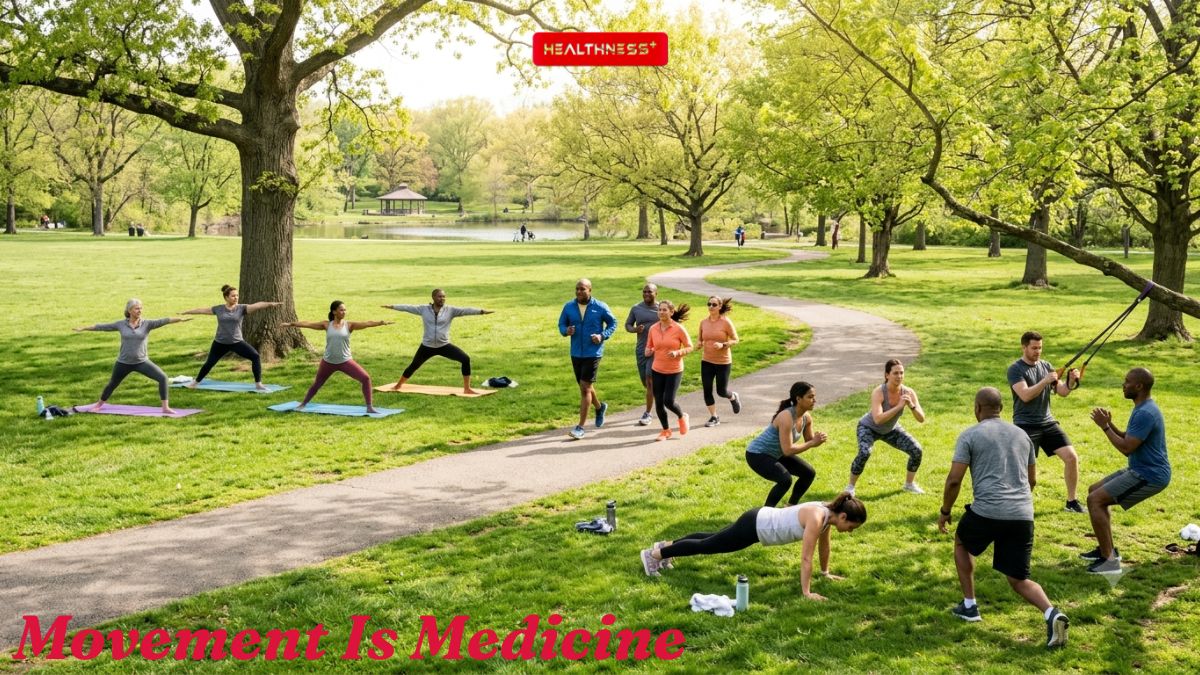

Movement Is Medicine: Why Physical Activity Is One of the Most Powerful Tools in Preventive Healthcare
"Your body was designed to move. Every step you take is an investment in your future health."
We Have Engineered Movement Out of Our Lives
Never before in human history have we moved so little.
Technology has transformed how we work, travel, shop, and relax. We spend hours sitting at desks, commuting in vehicles, scrolling on smartphones, and watching screens. While these advances have made life more convenient, they have also quietly reduced one of the most important contributors to good health, daily movement.
For many people, an entire day may pass with little more physical activity than walking from the bedroom to the car, from the parking lot to the office, and back again.
The human body, however, was never designed for prolonged inactivity.
Movement is not simply about burning calories or losing weight. It is a biological necessity that supports nearly every organ system in the body.
The Cost of Sitting Too Much
Sedentary lifestyles have become one of the defining health challenges of modern society.
According to the World Health Organization (WHO), insufficient physical activity is one of the leading risk factors for death worldwide and contributes significantly to the burden of non-communicable diseases (NCDs), including heart disease, stroke, type 2 diabetes, and certain cancers.
Physical inactivity has also been linked to:
- Obesity
- High blood pressure
- High cholesterol
- Poor mental health
- Reduced muscle strength
- Loss of bone density
- Poor balance
- Increased risk of falls in older adults
The less we move, the harder our bodies must work to maintain health.
Movement Affects Every System in the Body
When we think of exercise, we often picture muscles becoming stronger.
But movement benefits far more than muscles.
Regular physical activity supports:
- Heart health
- Lung function
- Blood sugar regulation
- Blood pressure control
- Healthy cholesterol levels
- Brain function
- Mood and emotional wellbeing
- Immune function
- Bone strength
- Joint mobility
- Sleep quality
Movement influences almost every major system in the human body.
It is one of the few lifestyle habits that delivers benefits from head to toe.
Exercise Is One of the Best Tools for Preventing Chronic Disease
Scientific evidence consistently shows that regular physical activity reduces the risk of many chronic illnesses.
These include:
- Heart disease
- Stroke
- Type 2 diabetes
- Obesity
- Osteoporosis
- Certain cancers
- Depression
- Anxiety
Exercise also helps people who already have these conditions by improving overall health, reducing symptoms, and enhancing quality of life.
This is why physical activity is considered one of the cornerstones of preventive healthcare.
Movement Is More Than Going to the Gym
One of the biggest misconceptions about exercise is that it requires expensive memberships or intense workouts.
In reality, movement takes many forms.
Examples include:
- Walking
- Cycling
- Climbing stairs
- Gardening
- Household chores
- Dancing
- Swimming
- Yoga
- Playing with children
- Recreational sports
Every movement counts.
The goal is not perfection.
The goal is consistency.
Walking: One of the Simplest Forms of Preventive Medicine
Walking is often underestimated because it is simple.
Yet regular walking has been associated with improvements in:
- Cardiovascular health
- Blood sugar control
- Weight management
- Mental wellbeing
- Blood pressure
- Mobility
- Longevity
Unlike many fitness programs, walking requires no special equipment, no training, and can be adapted to almost every age group.
Sometimes, the simplest habits produce the greatest long-term benefits.
Strength Matters Too
As we age, we naturally lose muscle mass and strength.
This process, known as sarcopenia, can reduce mobility, increase the risk of falls, and affect independence.
Strength training helps preserve:
- Muscle mass
- Bone density
- Joint stability
- Balance
- Functional independence
Resistance exercises do not always require a gym.
They can include:
- Bodyweight exercises
- Resistance bands
- Light dumbbells
- Household objects used safely
- Functional movements like squats or step-ups
Building strength is about maintaining the ability to live independently throughout life.
Movement Supports Metabolic Health
Physical activity plays a crucial role in how the body manages energy.
Regular movement improves:
- Insulin sensitivity
- Blood glucose regulation
- Fat metabolism
- Muscle function
- Energy expenditure
For people living with or at risk of type 2 diabetes, regular physical activity can significantly improve metabolic health alongside healthy nutrition and medical care.
Your Brain Benefits Too
The benefits of movement extend beyond physical health.
Regular exercise has been associated with:
- Improved mood
- Reduced symptoms of anxiety
- Lower risk of depression
- Better concentration
- Improved memory
- Reduced stress
- Better sleep quality
Physical activity stimulates the release of chemicals in the brain that support emotional wellbeing and cognitive function.
Sometimes, one of the best things you can do for your mind is to move your body.
How Much Movement Do Adults Need?
The World Health Organization recommends that adults aim for:
- At least 150 to 300 minutes of moderate-intensity physical activity each week, or
- 75 to 150 minutes of vigorous-intensity activity, or an equivalent combination.
In addition, adults should perform muscle-strengthening activities involving all major muscle groups at least two days per week.
Even if these targets seem challenging, every increase in activity is beneficial. Some movement is always better than none.
Small Changes Make a Big Difference
You do not need to transform your lifestyle overnight.
Simple changes can add up over time:
- Take the stairs instead of the lift.
- Walk while talking on the phone.
- Stand up and stretch every hour.
- Park farther from your destination.
- Go for a walk after meals.
- Cycle for short errands.
- Play outdoor games with your family.
- Schedule movement into your daily routine.
Health is built through consistent habits, not occasional bursts of motivation.
Movement Across Every Stage of Life
The benefits of physical activity extend throughout life.
For children, movement supports healthy growth and development.
For adults, it helps maintain physical and mental health while reducing the risk of chronic disease.
For older adults, regular activity preserves strength, balance, mobility, and independence.
Movement is one of the few health interventions that remains valuable from childhood to old age.
Movement Is Part of a Bigger Picture
Exercise is powerful, but it works best alongside other healthy habits.
Preventive healthcare combines:
- Nutritious eating
- Regular physical activity
- Adequate sleep
- Stress management
- Avoidance of tobacco
- Responsible alcohol consumption
- Routine health check-ups
- Strong social connections
Together, these lifestyle factors create the foundation for long-term health.
The Best Exercise Is the One You Will Continue
There is no single "perfect" exercise.
The best form of movement is one that fits your lifestyle, your abilities, and your interests.
Whether it is walking with friends, cycling, swimming, yoga, dancing, or strength training, consistency matters more than intensity.
A routine that you enjoy is one that you are far more likely to maintain for years.
The Future of Health Starts with One Step
Many people wait for illness before making changes.
They begin exercising only after a diagnosis of diabetes, high blood pressure, or heart disease.
But movement is most powerful when it becomes part of everyday life long before disease develops.
Every step you take, every stretch you perform, every flight of stairs you climb is an investment in your future health.
You do not have to be an athlete to experience the benefits of movement.
You simply have to begin.
Because in preventive healthcare, one of the most effective medicines has always been available to us.
It is movement.
References
- World Health Organization. Physical Activity Fact Sheet. https://www.who.int/news-room/fact-sheets/detail/physical-activity
- World Health Organization. WHO Guidelines on Physical Activity and Sedentary Behaviour. https://www.who.int/publications/i/item/9789240015128
- American College of Sports Medicine (ACSM). Exercise is Medicine®. https://www.exerciseismedicine.org
- Centers for Disease Control and Prevention (CDC). Benefits of Physical Activity. https://www.cdc.gov/physicalactivity/basics/pa-health/index.htm
- Indian Council of Medical Research (ICMR). Dietary Guidelines for Indians (2024). https://www.icmr.gov.in