
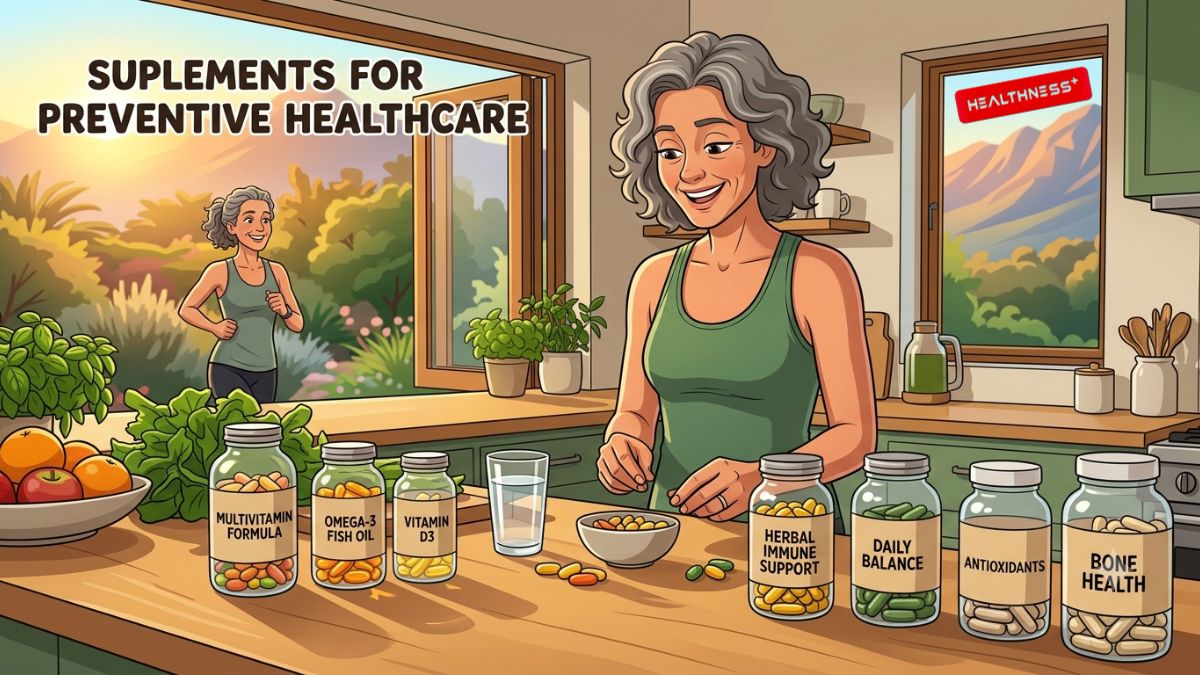
Supplements in Preventive Healthcare: Can They Help You Stay Healthy?
"Good nutrition begins with food. Supplements are designed to supplement, not replace, a healthy diet."
The Growing Popularity of Supplements
Walk into any pharmacy or browse an online marketplace today, and you'll find thousands of products promising better immunity, stronger bones, improved energy, healthier skin, sharper memory, and even protection against chronic diseases.
The global dietary supplement industry is growing rapidly, and India is no exception. Vitamins, minerals, omega-3 fatty acids, probiotics, herbal products, and protein supplements have become part of many people's daily routines.
But an important question remains:
Do supplements actually prevent disease?
The answer is more nuanced than many advertisements suggest.
Supplements can play an important role in preventive healthcare, but only when used appropriately and for the right reasons.
What Are Dietary Supplements?
Dietary supplements are products intended to provide nutrients or other substances that may be missing or insufficient in a person's diet.
Common examples include:
- Vitamins
- Minerals
- Protein powders
- Omega-3 fatty acids
- Probiotics
- Fibre supplements
- Electrolytes
- Certain herbal preparations
They are available as tablets, capsules, powders, liquids, and gummies.
Their purpose is to support nutrition, not replace a balanced diet or treat disease.
Food Comes First
Every major public health organization agrees on one principle:
A healthy diet should always be the primary source of nutrients.
Whole foods provide far more than isolated vitamins and minerals.
They also contain:
- Fibre
- Healthy fats
- Phytochemicals
- Antioxidants
- Natural enzymes
- Bioactive plant compounds
These nutrients work together in ways that cannot always be replicated by a pill.
A colourful plate of vegetables, fruits, legumes, whole grains, nuts, seeds, and quality protein offers benefits that extend well beyond individual nutrients.
Supplements should be viewed as an addition to, not a replacement for, a nutritious diet.
Why Deficiencies Still Occur
Even people who try to eat well may develop nutrient deficiencies.
Common reasons include:
- Limited dietary variety
- Busy lifestyles
- Medical conditions affecting absorption
- Age-related changes
- Pregnancy
- Vegetarian or vegan diets
- Certain medications
- Chronic illnesses
In these situations, supplements may help restore normal nutrient levels under the guidance of a qualified healthcare professional.
When Supplements Can Be Helpful
Scientific evidence supports the use of specific supplements in specific situations.
Examples include:
Vitamin D
Vitamin D is essential for bone health, muscle function, and immune regulation.
Vitamin D deficiency is common in India despite abundant sunlight, owing to indoor lifestyles, skin pigmentation, clothing practices, and limited sun exposure.
Supplementation may be recommended when deficiency is confirmed or when risk is high.
Vitamin B12
Vitamin B12 supports nerve function and the production of healthy red blood cells.
People following vegetarian or vegan diets, older adults, and individuals taking certain medications such as metformin or long-term acid-reducing medicines may be at increased risk of deficiency.
Iron
Iron deficiency remains one of the leading causes of anaemia worldwide, particularly among women of reproductive age, adolescents, and pregnant women.
Iron supplements can be highly effective when iron deficiency is diagnosed, but they should not be taken routinely without medical advice, as excess iron may also be harmful.
Calcium
Calcium supports healthy bones and teeth.
Some individuals, particularly older adults or those with low dietary calcium intake, may require supplementation alongside adequate vitamin D.
Folic Acid
Folic acid supplementation before conception and during early pregnancy significantly reduces the risk of neural tube defects in babies.
This is one of the strongest evidence-based examples of supplements preventing serious health problems.
Protein Supplements
Protein powders can help people who struggle to meet their protein requirements through food alone, including some older adults, athletes, or individuals recovering from illness.
For most healthy adults, however, protein needs can often be met through a balanced diet.
Supplements Are Not Magic Pills
Many supplement advertisements promise extraordinary benefits.
Claims such as:
- "Boost immunity instantly"
- "Detox your body"
- "Reverse ageing"
- "Burn fat naturally"
- "Prevent all diseases"
are often exaggerated or unsupported by high-quality scientific evidence.
Most chronic diseases develop over many years and are influenced by multiple factors, including diet, physical activity, sleep, stress, genetics, smoking, alcohol use, and environmental exposures.
No single supplement can replace healthy lifestyle habits.
More Is Not Always Better
One common misconception is that if a small amount of a vitamin is good, then a larger amount must be even better.
This is not true.
Excessive supplementation can sometimes cause harm.
Examples include:
- Excess vitamin A causing liver damage and birth defects
- Excess vitamin D leading to high calcium levels and kidney problems
- Excess iron causing toxicity in people without deficiency
- High-dose herbal supplements interacting with prescription medicines
Supplements should be taken at appropriate doses and only when there is a clear need.
Quality Matters
Not all supplements are manufactured to the same standards.
Consumers should choose products from reputable manufacturers that comply with applicable quality regulations.
Healthcare professionals can help determine whether supplementation is necessary and which products are appropriate.
Supplements and Preventive Healthcare
Preventive healthcare aims to reduce the risk of disease before it develops.
Supplements can contribute to this goal when they:
- Correct confirmed nutrient deficiencies
- Support individuals with increased nutritional needs
- Complement healthy dietary patterns
- Address specific life stages such as pregnancy or older age
- Help where medical conditions impair nutrient absorption
However, they work best as part of a broader preventive strategy that includes:
- A balanced diet
- Regular physical activity
- Healthy body weight
- Adequate sleep
- Stress management
- Avoidance of tobacco
- Limited alcohol consumption
- Routine health screening
Supplements are one tool among many, not the entire toolbox.
The Importance of Personalisation
Nutritional needs vary from person to person.
A supplement that benefits one individual may be unnecessary, or even inappropriate, for another.
Factors influencing supplement needs include:
- Age
- Sex
- Medical history
- Current medications
- Dietary habits
- Pregnancy status
- Physical activity
- Laboratory test results
Personalised recommendations are generally more effective than taking multiple supplements "just in case."
A Food-First Philosophy
At the heart of preventive healthcare lies a simple principle:
Build health through everyday habits.
That begins with:
- Eating a balanced and varied diet
- Staying physically active
- Sleeping well
- Managing stress
- Maintaining a healthy weight
- Following medical advice when needed
When nutrient gaps exist despite these efforts, carefully chosen supplements may help fill those gaps.
They are valuable partners, but they should never become substitutes for healthy living.
The Bottom Line
Supplements have an important place in preventive healthcare, but they are not miracle cures.
The strongest scientific evidence supports using supplements to correct deficiencies, meet increased nutritional needs, or address specific health conditions, not as replacements for healthy eating or as universal solutions for disease prevention.
The foundation of good health remains remarkably consistent:
Eat well.
Move regularly.
Sleep adequately.
Manage stress.
Avoid harmful habits.
And when needed, use supplements wisely, based on evidence and professional guidance.
Because the best supplement will always work best when it supports an already healthy lifestyle.
References
- World Health Organization. Healthy Diet. https://www.who.int/news-room/fact-sheets/detail/healthy-diet
- World Health Organization. Micronutrient Deficiencies. https://www.who.int/health-topics/micronutrients
- National Institutes of Health (NIH), Office of Dietary Supplements. Dietary Supplement Fact Sheets. https://ods.od.nih.gov
- Ministry of Health & Family Welfare, Government of India. Anemia Mukt Bharat. https://anemiamuktbharat.info
- Indian Council of Medical Research (ICMR). Dietary Guidelines for Indians (2024). https://www.icmr.gov.in